Choosing the Best Dog Food

Choosing the Best Dog Food

Written by Dawn Guidry

One of the most important decisions you will make as a dog parent is what type of food you will feed them. Nutrition affects every aspect of your companion’s life— resistance to allergies and disease, energy levels, and neurological activity. In the 20+ years that I’ve worked in the pet industry, the question I get asked the most is ‘What is the best dog food?’

As much as I would like to give you a simple answer, the fact is, there is no simple answer. All dogs are different, and what may work for one dog may not work for another. So, the simplest answer is that the best dog food is the one that your dog thrives on. But there are some things you can do to ensure you’re getting the best for your dog.

There are several types of dog food/diets to consider, from homemade to commercial to raw. Each of these has advantages and disadvantages. For this article, we will focus on kibble. Kibble is the most popular food on the market. It’s the most convenient, most cost-effective, and most processed. Kibble, as we know it today, first hit the market in the 1950s. Much has changed in those 60+ years, with dog food becoming a billion-dollar industry with hundreds of manufacturers.
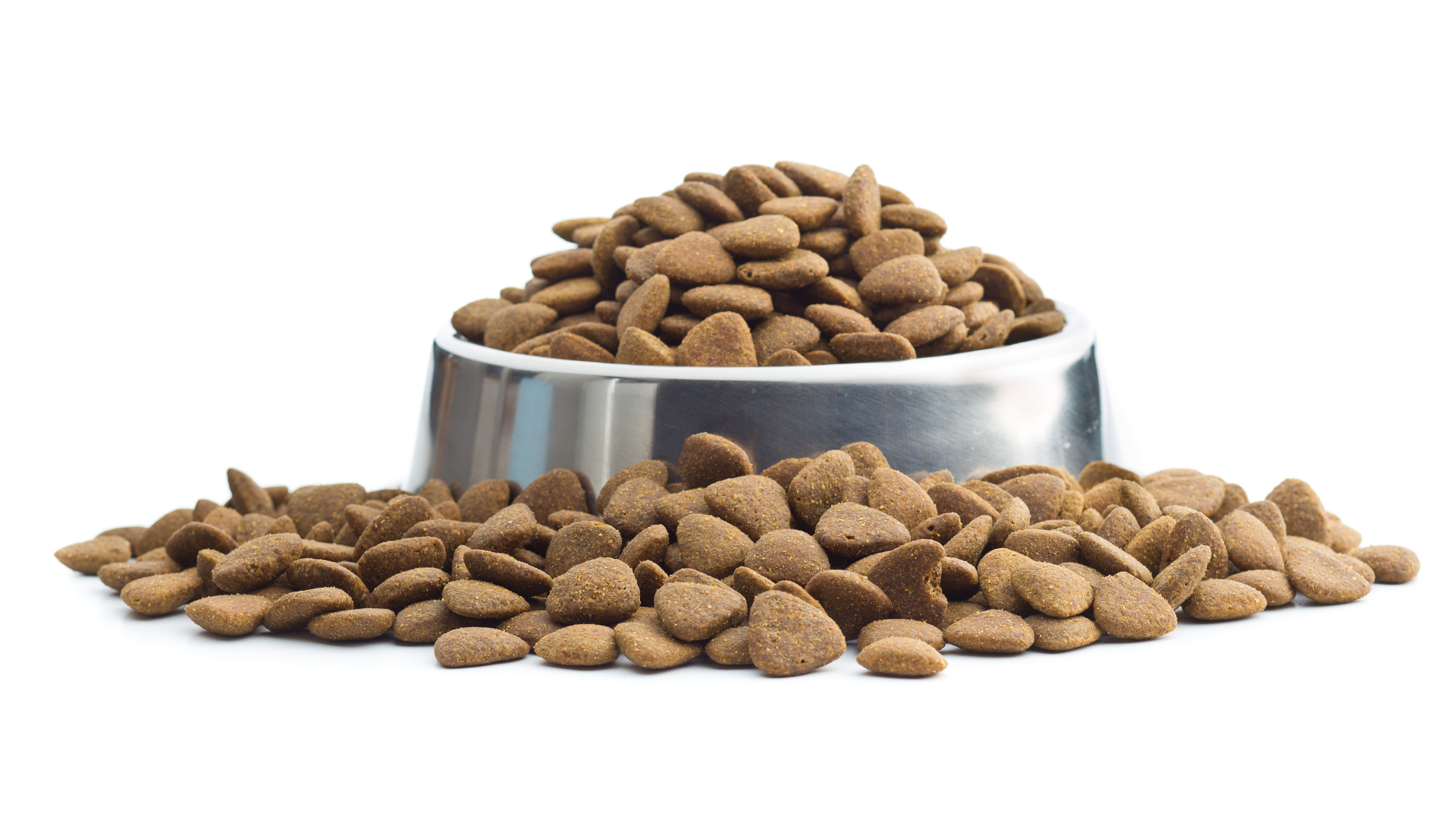
 

One of the best ways to ensure that you are getting a good quality kibble is to learn to read the labels. The ingredient list is the most important part of the label. The first five to six ingredients are crucial as this is the bulk of your food.

A good-quality dog food will have at least two quality animal protein sources listed in the first few ingredients. Look for real meat, meat meal, and whole ingredients — i.e., chicken, chicken meal, etc. If a list of ingredients begins with chicken or chicken meal followed by three or more grains and no other meat proteins, the food likely contains far more grains than meat.

Just as important to consider are ingredients that your dog’s food should not contain. Avoid foods that have ingredients such as ‘animal’ byproducts, ‘animal’ protein, ‘animal’ fat, BHA & BHT, ethoxyquin, propylene glycol, and sweeteners such as sugar, corn syrup, and sucrose. The use of the word ‘animal’ can mean it came from any kind of meat or meat-rendering. Corn, wheat, and soy are ingredients that are hard to digest and the source of many allergies and health issues.

Not all byproducts are bad. Organ meats are considered byproducts but things like liver, heart, lung, and kidneys are actually good for your dog. If the label specifically states one of these ingredients in their whole form, you will know it is the actual ingredient and not a poor-quality byproduct.

Rotating your dog’s food can have a lot of overall health benefits as well. This means changing up the protein
sources and even changing brands, just make sure that it is done properly to avoid any stomach issues. Rotation
keeps your dog from getting bored with his/her food and also helps boost the immune and digestive systems.

When feeding a highly processed food, it is a good idea to add a supplement made for dogs. There are many available on the market. Adding fresh fruits and vegetables can also be a healthy way to add real nutrients to their diet. Things like fresh apples, carrots, and green beans make an excellent snack. You can search Google for a list of fresh foods that are safe for dogs to eat.

Feeding high-quality food is not necessarily more expensive. Nutrient-dense foods are better digested in the dog’s system, meaning more nutrition is absorbed. In general, your dog will typically eat less nutritious food than a poor-quality one.

Whatever food you choose for your dog, putting some thought into your decision now can produce big rewards over his/her lifetime and may help avoid serious and costly health issues caused by poor nutrition. As always, if your pet has health issues that need to be addressed, please consult with your vet.
Poisonous Holiday Plants

Poisonous Holiday Plants

 Article Provided by Clay 30A | Illustrations by Sheila MacDiarmid

If you have live mistletoe plants in your house this holiday season, be sure to keep them out of reach from young children and pets. Deck the halls with boughs of holly — just don’t eat them!

Many of the plants we associate with the holiday season have a reputation for being poisonous. But which ones are dangerous? How serious is the threat? Should you forgo potentially poisonous holiday plants if you have young children or pets? Experts from the Blue Ridge Poison Center helped separate fact from fiction and offer some safety tips for your family.

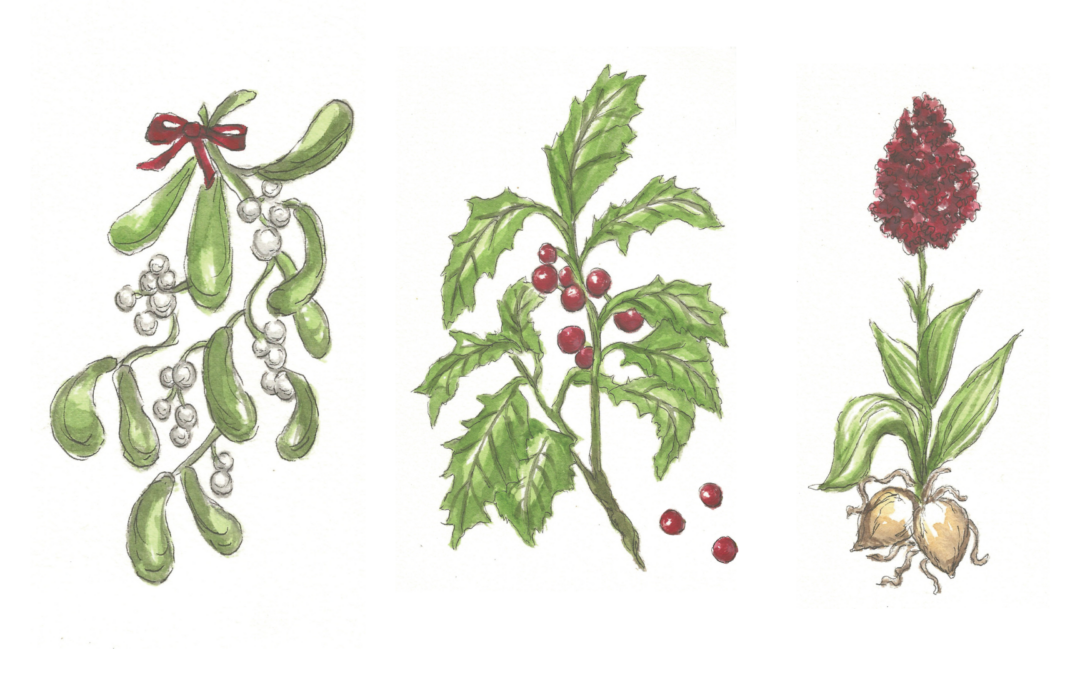
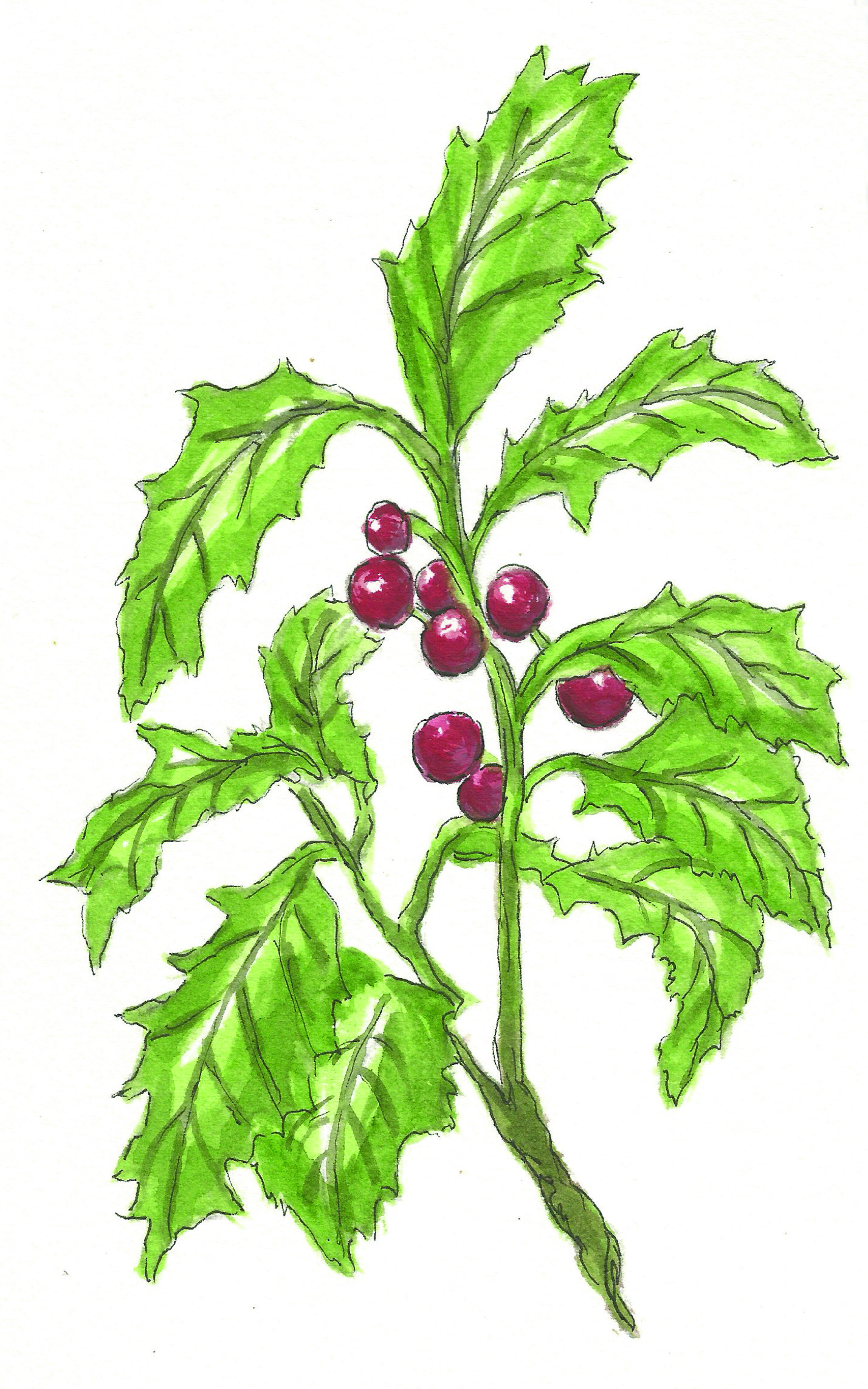
Illustration of the plant, holly

Holly

Holly (Ilex species) is a small evergreen tree or shrub with stiff, prickly leaves and red berries. The berries contain toxic compounds that can cause nausea, vomiting, diarrhea, and — in rare cases — drowsiness.

Swallowing 20-30 berries is a toxic dose for adults, although there are reports of people who experience symptoms after swallowing smaller amounts.

Symptoms have been reported in children who swallowed as few as five berries. Young children and pets may be particularly attracted to the bright red berries. The leaves are not poisonous, but they could be a choking hazard.

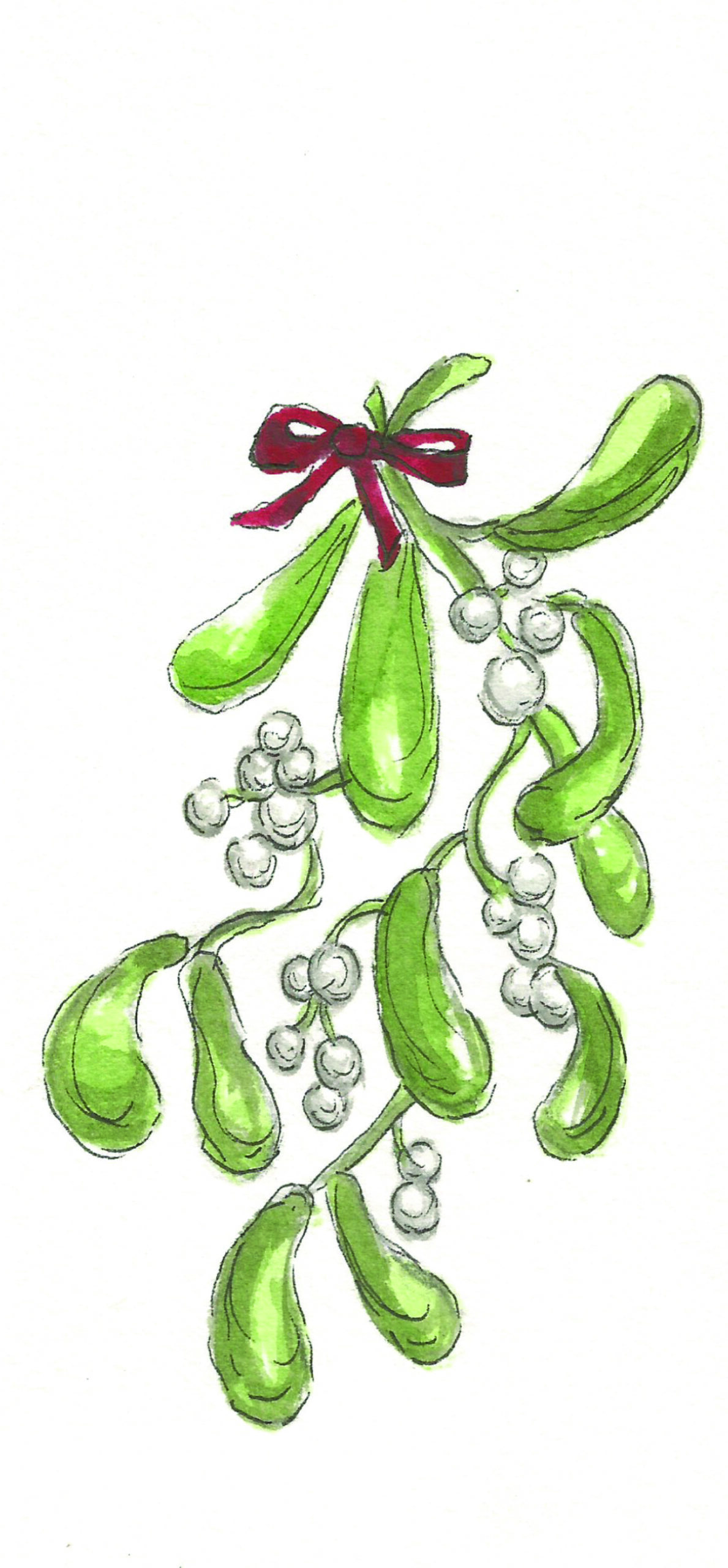
illustrated image of mistletoe

Mistletoe

American Mistletoe (Phoradendron loranthaceae) has smooth, green oval-shaped leaves and clusters of waxy, white berries. Mistletoe is a parasitic plant.

It grows as a clump clinging to the branches and trunks of deciduous trees throughout the U.S. The entire plant contains toxins that can cause gastrointestinal problems such as nausea, vomiting, and diarrhea if swallowed.

Most cases reported to poison centers in the past 25 years involved young children who ate only a few leaves or berries at most. In those cases, symptoms were either mild or did not develop at all. Severe reactions are less common and associated with eating larger amounts of the plant, especially the leaves.

If young children or pets are going to be present in your home this holiday season, keep mistletoe up high, out of their reach. Stay vigilant for any leaves or berries that drop to the ground, in easy reach of pets.

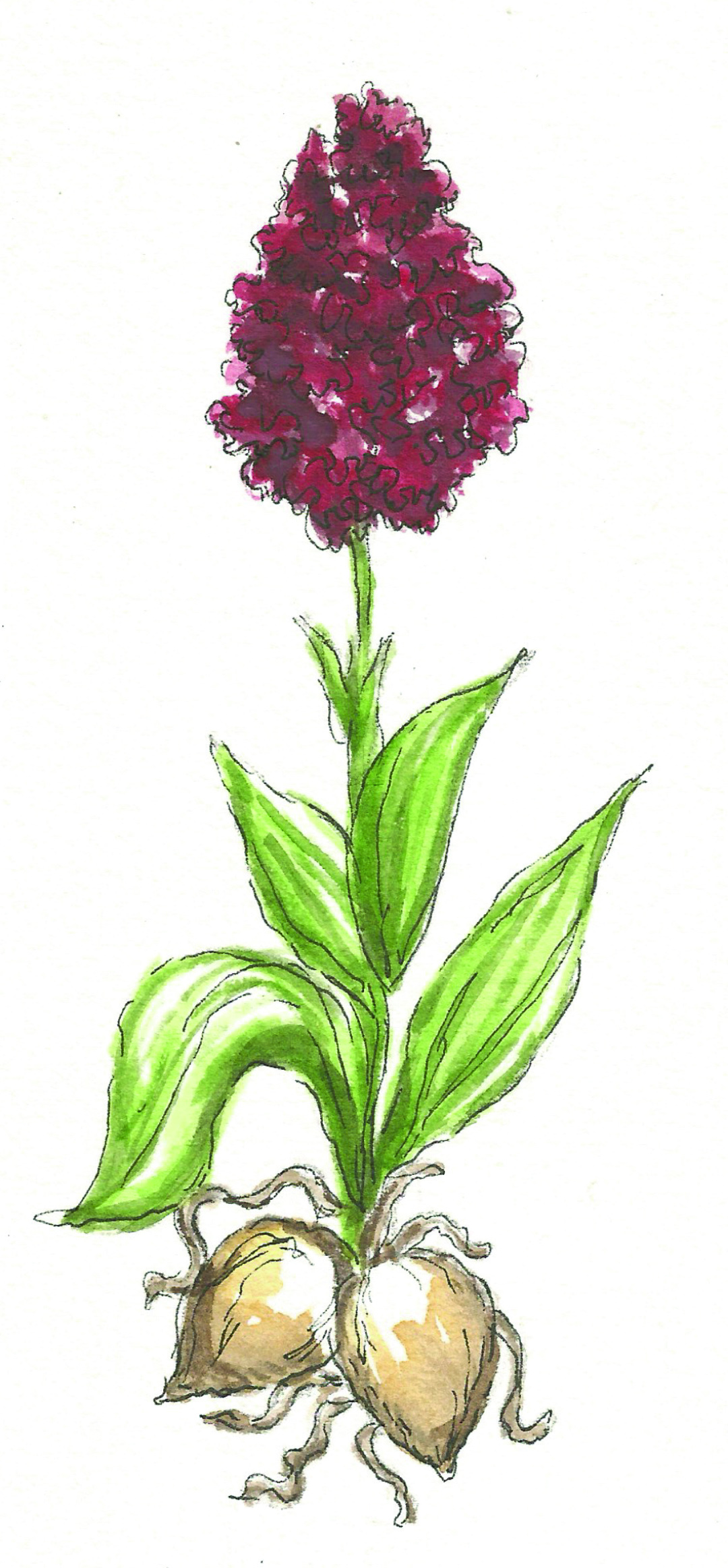
illustrated image of a flower bulb

Bulbs

There are many species of spring-blooming, fragrant plants that grow from a bulb. Several, including amaryllis, paperwhites, daffodils, and hyacinth, have become popular holiday favorites.

We bring dormant bulbs indoors in autumn to encourage full bloom a few months early. These plants may be poisonous, especially the bulbs that look like onions or shallots.

Avoid mistaken identity — store loose bulbs in a safe place, far from food, where children and pets can’t reach.

If eaten, there may be symptoms such as nausea, vomiting, and diarrhea. Some bulb species also contain compounds that can cause burning and irritation of the mouth, throat, and skin.

Did You Know?

Poinsettia (Euphorbia pulcherrima) is a showy shrub with green leaves and “flowers” that are red, white, or pink. The flowers are not true flowers; they’re leaves that changed color. Poinsettias have a reputation for being deadly, but in fact, they’re not poisonous at all.

The plant does contain a sap that can cause minor skin irritation in some people, but your pet would have to ingest nearly an entire plant to be in any danger. This sap can be irritating to the mouth and stomach if swallowed. Also, the large, soft leaves could be a choking hazard for a young child or pets.

Just Say “No” to the Shock Collar

Just Say “No” to the Shock Collar

Written by Debbie Revell, RN, Dip CABT, CDBC, ACCBD

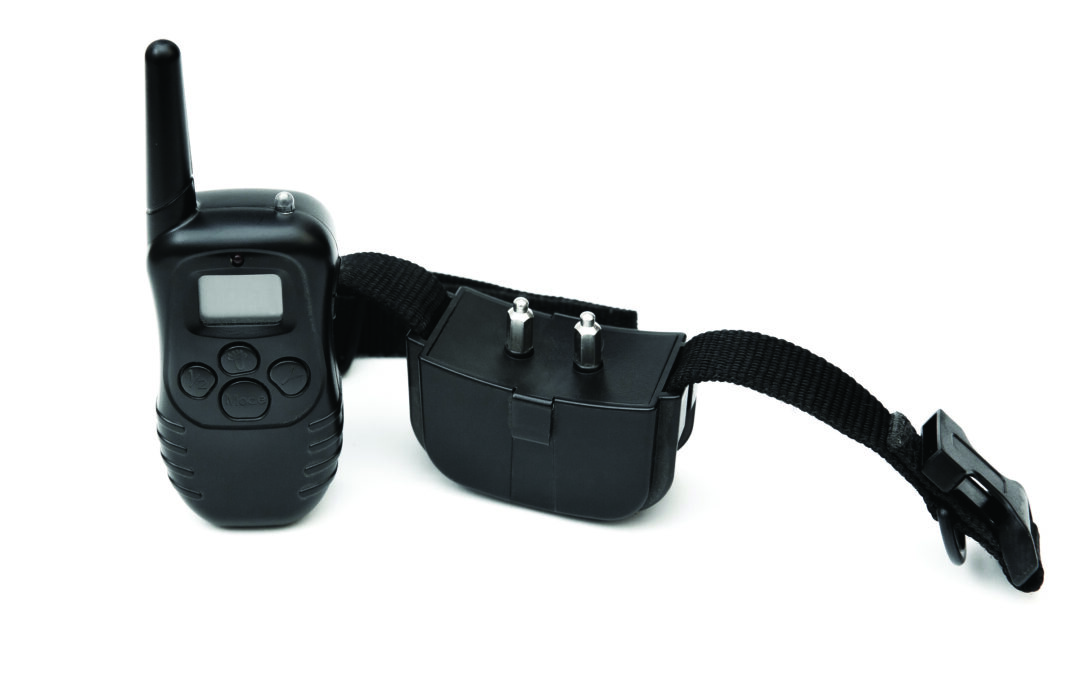
Dog training has seen an increasing number of pet dogs with problem behaviors due to harsh training methods, especially electronic stimulation devices such as shock collars or e-collars. Unfortunately, well-intentioned dog owners looking for a quick fix are hiring trainers who use shock collars or are buying shock collars and attempting to train dogs themselves.

Countless pieces of evidence indicate that rather than speeding up the learning process, electronic stimulation devices slow it down, place great stress on the animal, can result in both short-term and long-term psychological damage, and lead to fearful, anxious, and/or aggressive behavior. Some dogs also are physically injured due to abuse of, misuse of, or malfunction of the equipment.

Humane training methods not only solve the problems at hand but also are less likely to cause more problems down the road. Skillful training builds calm and cooperative behaviors in dogs through the structured use of reward-based training.

Position Statements

Dog-Harmony

It is the position of Dog-Harmony training that the use of electronic stimulation collars on pets is not necessary for effective behavior modification or training and is damaging to the animal.

Electronic stimulation devices include products often referred to as e-collars, training collars, e-touch, stimulation, tingle, TENS unit collars, remote trainers, or e-prods. They have been banned in Scotland, Austria, Germany, Switzerland, Slovenia, Denmark, Sweden, Norway, and Finland, the province of Quebec in Canada, and the states of New South Wales, the Australian Capital Territory, and South Australia in Australia.

In the United States, major names and organizations, such as the Humane Society of the United States and the American Veterinary Society of Animal Behavior (AVSAB), have also made position statements against shock collars.

Dr. Karen Overall, MA, DVM, PhD

Renowned Veterinary Behaviorist Dr. Karen Overall states that shock collars “violate the principles of three of five freedoms that define adequate welfare for animals: freedom from pain, injury, and disease, freedom to express normal behavior, and freedom from fear and distress.”

Dr. Overall is referring to Roger Brambell’s Five Freedoms which have been a standard for assessing animal welfare since 1965.

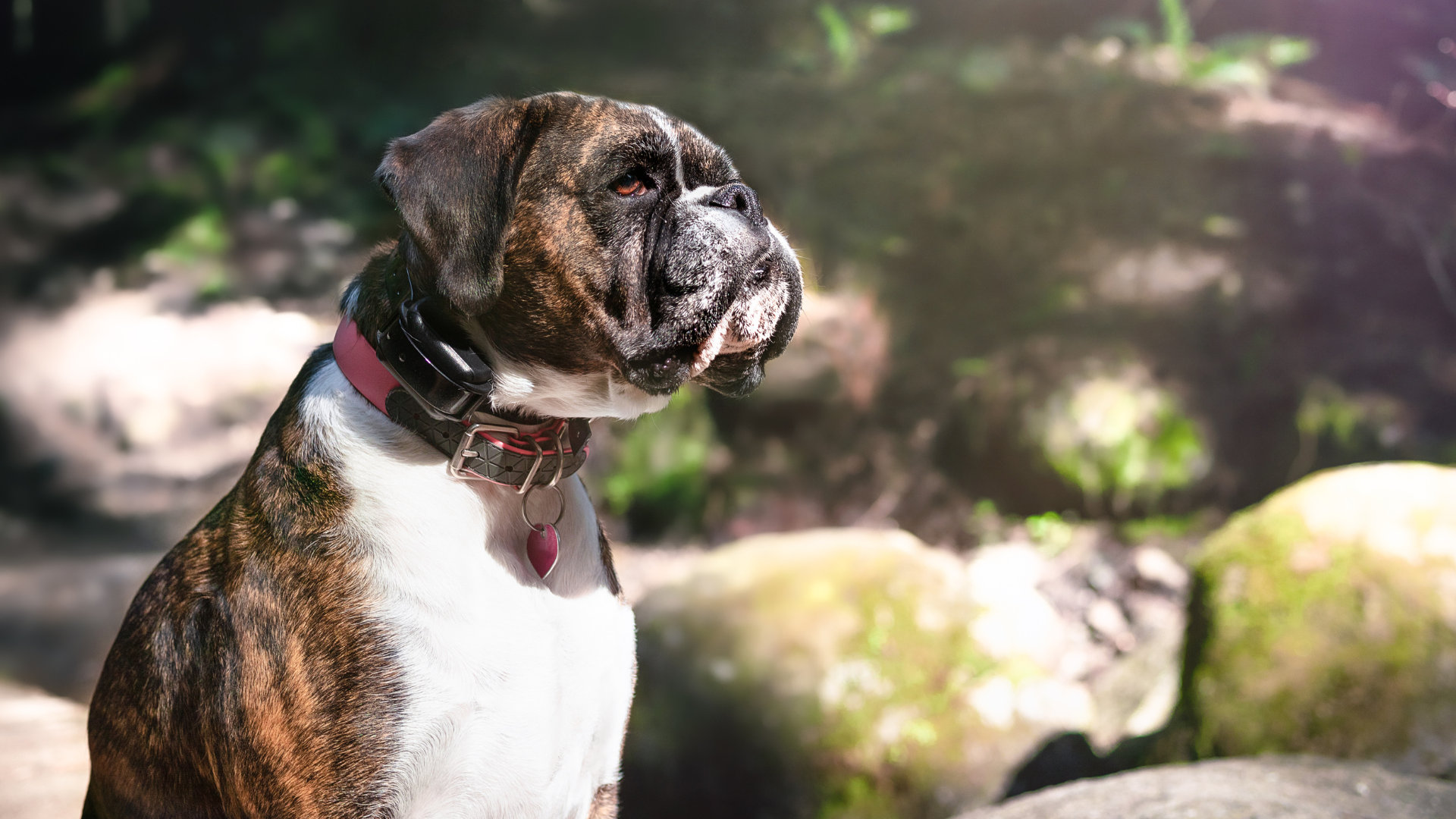
photograph of a boxer wearing a canine electric collar

Humane Society of United States (HSUS)

“The least humane and most controversial use of the shock collar is as a training device. The trainer can administer a shock to a dog at a distance through a remote control. There is a greater chance for abuse (delivery of shocks as punishment) or misuse (poor timing of shocks). Your dog also may associate the painful shock with people or other experiences, leading to fearful or aggressive behavior.”

American Veterinary Society of Animal Behavior (AVSAB)

“Punishment (e.g., choke chains, pinch collars, and electronic collars) should not be used as a first-line or early-use treatment for behavior problems. This is due to the potential adverse effects which include, but are not limited to: inhibition of learning, increased fear-related and aggressive behaviors, and injury to animals and people interacting with animals.”

Dr. Ian Dunbar PhD, BVetMed MRCVS

Dr. Ian Dunbar, veterinarian, animal behaviorist, dog trainer, and founder of the Association of Professional Dog Trainers (APDT) sums it up perfectly,

“To use shock as an effective dog training method, you will need a thorough understanding of canine behavior, a thorough understanding of learning theory, and impeccable timing. And if you have all these things, you don’t need a shock collar.

Why Say “NO” to Shock Collars?

  • Shock controls a dog without allowing that dog to make choices and solve problems, which often results in “learned helplessness” which is when the dog effectively learns to give up.
  • Shock forces a dog to behave with little concern for the root cause of the negative behavior.
  • E-collar training essentially cripples an animal’s true learning ability.
  • Shocking a dog can actually exacerbate aggressive behavior in the future.

Let’s ensure a better-informed pet owner who seeks out humane alternatives to pet dog training.

Fearless Nail Trims

Fearless Nail Trims

Written by Hannah Burke Garbett, ACDBC

Your dog’s least favorite grooming chore doesn’t have to mean stress and conflict. Learn how to keep your dog’s nails nice and short – the fear-free way!

Teach your dog to DIY

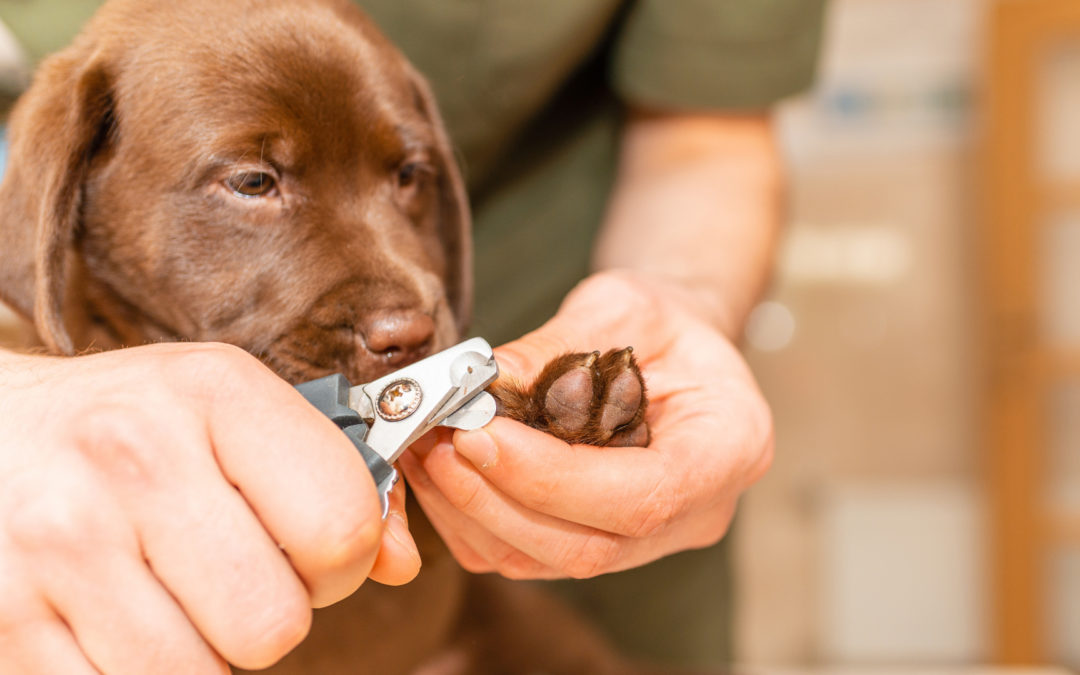
For front paws, you can ditch the clippers and teach your dog to file their own nails by scratching on a scratchboard. Scratch boards have a hard surface covered with a coarse texture that acts like a nail file. They are easy to make using sandpaper or can be purchased from sellers like ScratchPad on Etsy. Teaching your dog to scratch is a lot like teaching your dog to “shake.”

  • Start by holding some treats in your hand on the scratchboard.
  • As soon as your dog raises their paw up to try and get the treat, mark the behavior with a clicker and reward.
  • Gradually start waiting for more scratching behavior before clicking.

If you prefer to use nail clippers or a Dremel nail grinder instead of a scratchboard, follow these tips for low-stress nail trimming:

Create a Spa Experience

Make sure your dog is secure and comfortable on a non-slip surface if standing for their trim or has a comfy bed if lying down for their paw-dicure.

Condition Your Dog to Love Having Their Paws Handled

Start by just touching your dog’s paws, then immediately giving them their favorite treat. Gradually work up to touching each paw pad and eventually each nail. Slowly add the clippers back into the picture, simply touching them to each nail at first. Make sure your dog is happy and relaxed at each step before moving on.

Add a Yummy Distraction

Sometimes a tasty distraction can make all the difference, especially for young puppies. My favorite go-to is a bit of natural peanut butter on
a Lickimat (a food-grade rubber mat designed to hold spreadable treats for dogs).

For dogs that exhibit fearful or aggressive behavior, contact a Fear Free certified professional to help you develop a training plan. A directory of Fear Free certified veterinarians and trainers can be found at www.fearfreepets.com.

Can Fearful Fido Be Festive?

Can Fearful Fido Be Festive?

Written by Amanda Rietheimer, CDBC, CPDT-KA

The upcoming holidays bring new feelings for many families as we reconnect with our loved ones. While it can be exciting to get together in large groups with our family and friends, this often tends to be very scary for our furry four-legged friends. If Fido is nervous about any variation in his environment, adding visitors or other dogs can pose a challenge to future gatherings.

Here are a few tips to help Fido be festive, too:

  • Find enrichment toys that Fido likes to engage with when only your immediate family is present.
  • Start now, well before the holidays. Start with one guest, working your way up to multiple guests in the house.
  • Put Fido up in a room/crate before a guest arrives at the house.
  • Set up Fido’s enrichment toy, such as a snuffle mat, near his dog bed or mat about 15 to 20 feet from the guest.
  • Have the guest sit down before bringing Fido out on a leash.
  • Make sure Fido is calm when you enter the room and treat him, keeping your distance from the guest.
  • If Fido is barking, growling, lunging, or showing signs of stress do not proceed.
  • Have the guest toss treats towards Fido.
  • Check in with Fido often, if he is showing signs of stress such as growling, snapping, barking, shaking, or pulling away, end the session and put Fido back in his crate or other room and contact a Certified Dog Behavior Consultant or veterinarian for help.
  • If Fido is eating treats tossed to him, walk him on the leash to his bed and have him engage in his snuffle mat.
  • When Fido looks at you or your guest and is calm, toss treats to him. It is important that we are tossing treats and never hand-feeding him, as we want him to be comfortable staying at a distance from our guest.
  • For big gatherings, install gates for safe areas for Fido to relax. Our guests can then move around comfortably and not worry about where Fido is.
  • Advise all guests that Fido likes to be a part of the party from a distance. Being pet by guests is not enjoyable for Fido. If guests cannot listen, then put Fido back in his crate/room, where he can be safe and not escalate in fear. Give Fido an enrichment toy to enjoy while he is in his crate.
  • Have buckets full of treats that can be tossed to Fido over the gate to him.
The Perfect Howliday Card

The Perfect Howliday Card

Tips for Snapping the Best Holiday Photo

Written by Hannah Burke Garbett, ACDBC

If you’ve ever tried to include your dog in holiday photos, you know it’s not as easy as it sounds! A photoshoot can be a stressful environment for dogs. They’re often asked to remain stationary for long periods, sometimes with unfamiliar props and surrounded by flashing cameras and bustling people. The good news is a little prior training and some gradual acclimation can go a long way toward helping your dog be the star of your holiday greeting cards.

Start at Home

If you would like your dog to sit, lie down, or stay still for your photos, start training well in advance of your scheduled photo day.

Dogs learn best by starting in a low-distraction environment and with generous positive reinforcement. Now is the time to enroll in a training class to ensure your dog has plenty of time to practice before the big day.

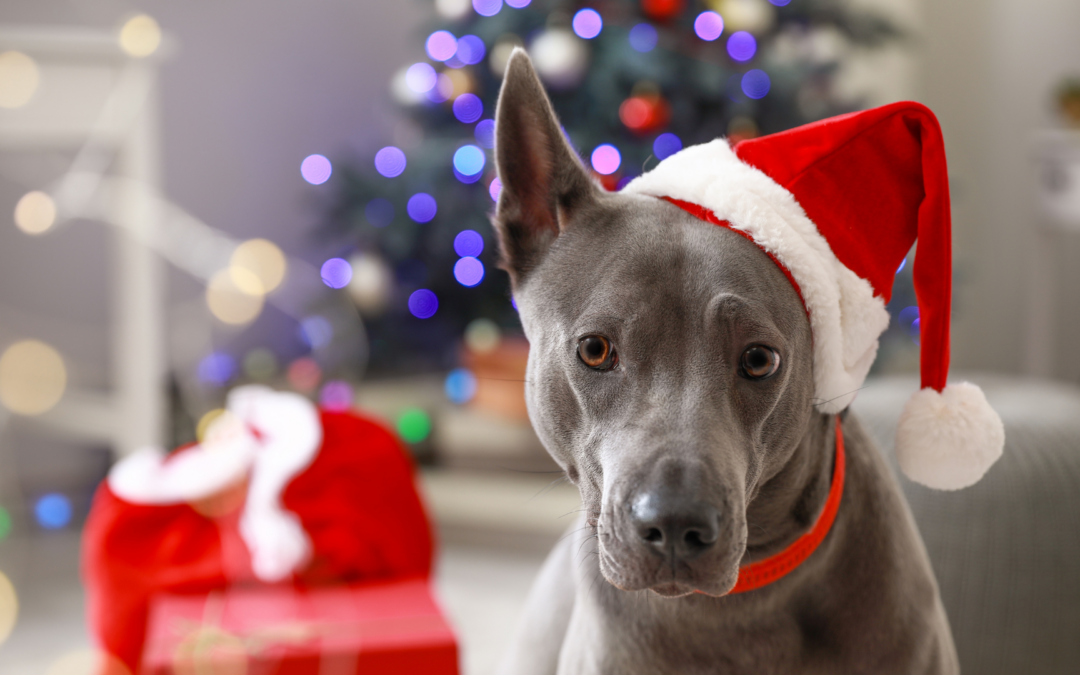
Themed props and outfits can add something special to holiday photos. Make sure to introduce your dog to the props and costumes beforehand and practice any poses involving the props at home.

Check the Location

Now that you and your dog have practiced posing, it’s time to take it on the road. If you are using a new location for your photo shoot, you’ll want to schedule a few visits in advance to practice with your dog.

Check the lighting in your shoot location. Dogs don’t understand a camera’s bright flash and will often squint or move away. Try to pick a location with plenty of natural light to avoid using a flash.

Evaluate distraction levels and try to choose a location that will set your dog up for success. Choosing an area off the beaten path could mean all the difference for a dog that’s easily distracted by other people and dogs.

The Photo Day

Help your dog burn off excess energy by scheduling a long walk or playtime a few hours before your shoot.

Pack extra high-value treats along with you, and don’t forget to reinforce your dog’s good behavior.

Bring along your squeaky toy and have a helper stand directly behind your photographer with it to focus your dogs gaze towards the camera.

Watch out for signs of stress and give your dog plenty of breaks to sniff and decompress in between shots.

Embrace imperfection, sometimes the “outtakes” are actually the best photos in the end.

Smile and have fun!